Wherever Precision Air Matters
Critical air control is not a luxury — it is a safety requirement. AVVS protects the environments where failure is not an option.
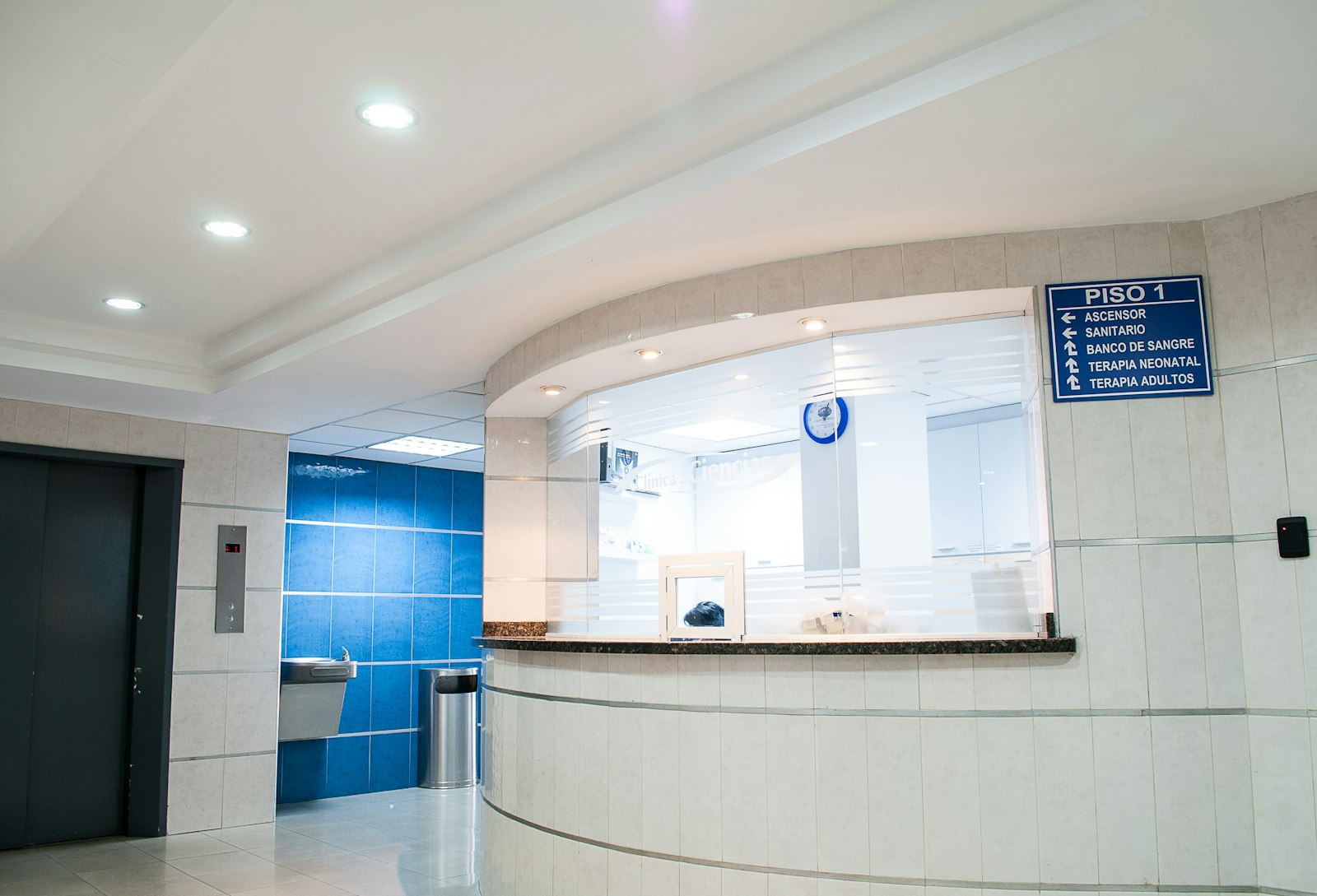
Isolation Rooms, Operating Theatres, ICU & Negative Pressure Rooms
Challenge
Contamination control failures put patients and staff at risk; audit failures cost reputation and licenses.
Our Solution
Triatek-certified isolation room controllers, precise venturi valves, calibration and compliance-ready documentation.

Fume Hoods & Face Velocity Precision
Challenge
Inconsistent face velocity exposes researchers to hazards; recalibration drift erodes safety silently.
Our Solution
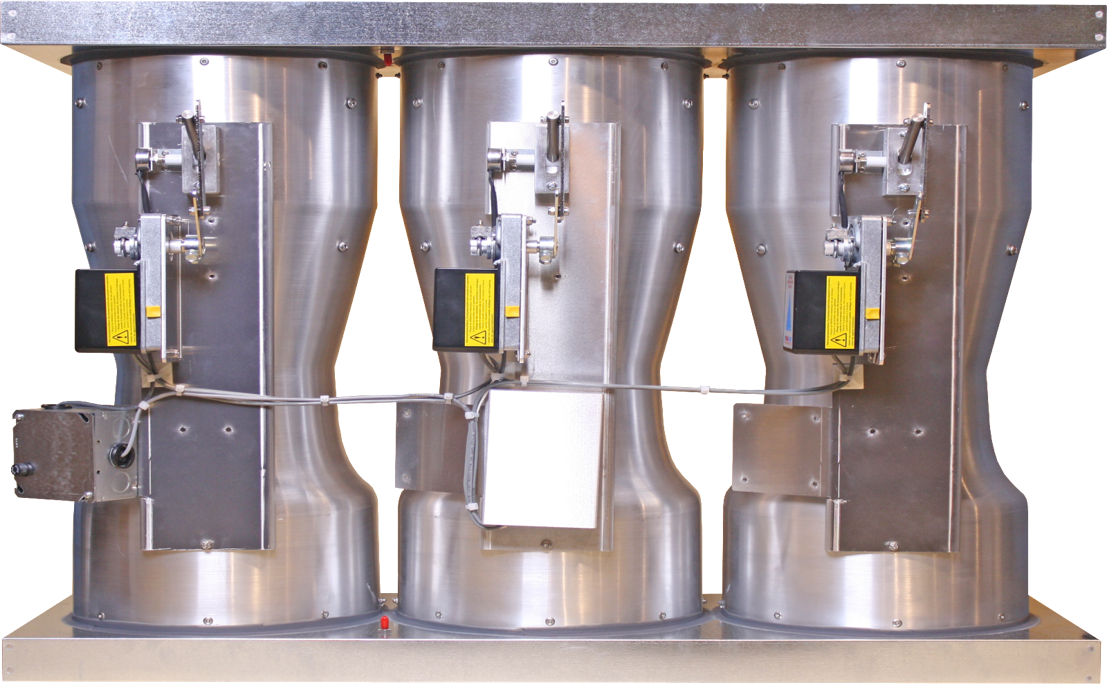
Fast-acting venturi valves, fume hood monitor expertise, precision calibration and alarm optimization.
Protecting Samples, Studies and Scientists
Challenge
An airflow event can destroy years of research; environmental integrity is non-negotiable.
Our Solution
Complete system lifecycle care, monitoring integration and 24/7 rapid response.
Safe Environments for the Next Generation
Challenge
Aging systems and tight budgets create risk; staff turnover leaves systems under-managed.
Our Solution
Cost-effective modernization, staff training programs and flexible maintenance plans.

Controlled Environments, Zero Tolerance
Challenge
Particle contamination ruins batches and batches ruin revenue.
Our Solution
Precision airflow control, VAV conversion and BAS integration for full visibility.
Critical Environment Answers
Why is negative pressure critical in isolation rooms?
Negative pressure keeps contaminated air inside the room, protecting corridors and the rest of the facility. If the room drifts positive even briefly, airborne pathogens can escape — so precise pressure control isn't optional, it's patient and staff safety.
What face velocity should a fume hood maintain?
Common practice targets 80–120 fpm (0.4–0.6 m/s) at the sash opening, depending on application and local standards. A venturi valve system holds that velocity steady regardless of changing room conditions.
Do you serve pharmaceutical and cleanroom facilities?
Yes. AVVS works across hospitals, operating theatres, laboratories, research institutes, universities and pharmaceutical cleanrooms — any environment where airflow precision and compliance matter.
Which standards do your systems comply with?
Our systems are designed and commissioned to international standards for critical environments, and our isolation room and ventilation work follows the guidelines used by major health authorities — with documented verification on request.
Let's Protect Your Facility
Wherever precision air matters — AVVS delivers.